Carbon dioxide injection is one of the most effective ways to accelerate aquatic plant growth, intensify foliage coloration, and outcompete nuisance algae in a planted aquarium. While plants in low-tech setups rely solely on ambient CO2 dissolved from the surface, high-energy aquascapes demand consistent, measurable gas supplementation. Building a reliable pressurized or generator-based CO2 setup requires balancing four essential components: pressure reduction and regulation, automated shut-off control, gas-resistant delivery line, and ultra-fine diffusion.
Whether you are assembling an automated cylinder setup from scratch or upgrading individual parts in a DIY generator loop, selecting components designed specifically for CO2 gas under pressure prevents leaks and maintains stable tank chemistry. Note that all referenced prices are global USD figures and are subject to market fluctuations.
---Core Gas Regulation and Automation Hardware
ZRDR Aquarium CO2 Regulator with Solenoid Valve & Bubble Counter
Reference Price: ~$36.04 | User Feedback: 98% positive (475 ratings)
Target Aquarist: Aquascapers using standard high-pressure CO2 gas cylinders who need an integrated, all-in-one control unit.
Why It Matters: Direct cylinder pressure must be stepped down safely before reaching delicate aquarium gear. This ZRDR pressure-reducing valve system combines a primary regulator, an integrated electric solenoid, and a bubble counter into a single block. The integrated solenoid allows the entire system to be plugged into a standard wall timer or smart plug, synchronizing CO2 injection with your tank lights. Stopping gas flow when plants are not photosynthesizing prevents unnecessary CO2 waste and protects fish from nocturnal pH drops or oxygen depletion. The built-in bubble counter allows visual rate monitoring directly at the cylinder base.
ZRDR Low-Temperature Electric Solenoid Valve (110V–220V / DC12V)
Reference Price: ~$11.01 | User Feedback: 95.5% positive (515 ratings)
Target Aquarist: Hobbyists upgrading a manual regulator or building a custom DIY generator rig that lacks automated cut-off capability.
Why It Matters: If you already have a mechanical needle-valve regulator or a chemical generator assembly without automation, this standalone magnetic valve provides the missing link for automated scheduling. Operating on a wide 110V–220V input with DC12V internal operation, this low-temperature unit runs cool during extended daytime cycles. Adding a dedicated solenoid eliminates the daily chore of manually turning needle valves on and off, which often causes subtle flow rate drift.
---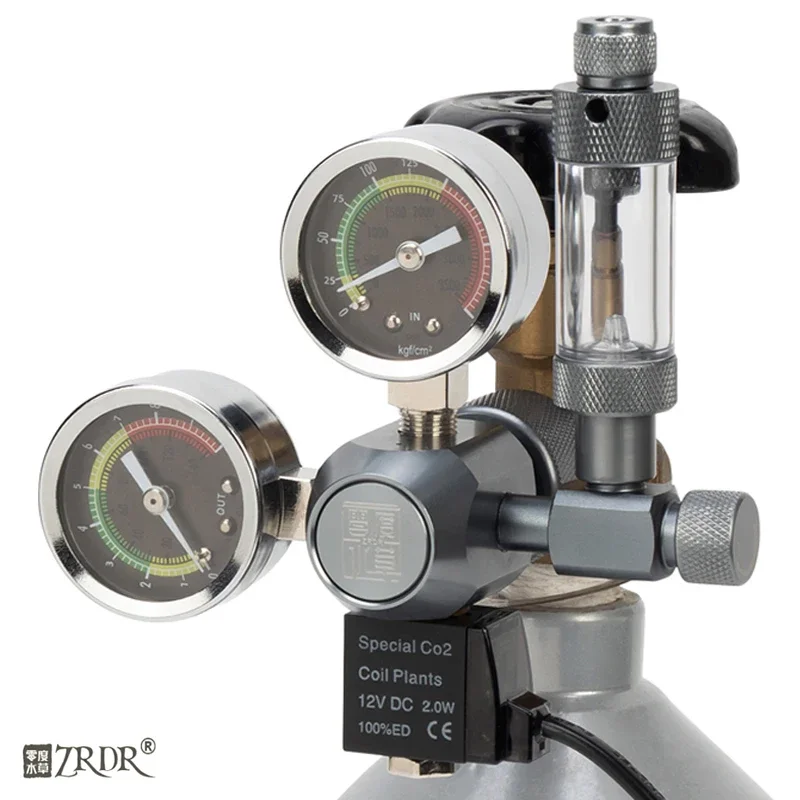
ZRDR Aquarium CO2 Regulator Solenoid Valve Bubble Counter Is Used for CO2 Gas…
Gas-Tight Delivery Lines: Polyurethane (PU) Tubing
Standard silicone air line tubing is porous to CO2 molecules, leading to chronic gas loss and pressure drops over time. Dedicated high-pressure polyurethane (PU) tubing with a 4mm inner diameter and 6mm outer diameter (4*6mm) is standard for secure connections between regulators, check valves, and diffusers.
PU 4*6mm CO2 Oxygen Tubing (2m / 5m Length Options)
Reference Price: ~$2.54 | User Feedback: 95.7% positive (1,013 ratings)
Target Aquarist: Hobbyists setting up compact nano tanks or mid-sized aquariums needing economical, high-pressure-rated gas lines in predefined 2m or 5m lengths.
Why It Matters: This PU line is engineered to withstand the backpressure created by micro-porous diffusers and atomic refiners without ballooning or popping off barbed fittings. It functions reliably with both pressurized cylinder setups and DIY chemical generator reactor kits.
PU 4*6mm CO2 System Generator & Reactor Hose
Reference Price: ~$4.08 | User Feedback: 98% positive (1,126 ratings)
Target Aquarist: Aquarists needing heavy-duty, kink-resistant PU lines for multi-tank runs or complex cabinet routing where extra structural rigidity is required.
Why It Matters: Maintaining airtight seals around compression fittings, bubble counters, and check valves requires consistent wall thickness. This dedicated 4*6mm PU hose provides a secure, gas-tight fit to prevent pressure degradation over long runs between the base cabinet and the aquarium rim.
---In-Tank Gas Dissolution
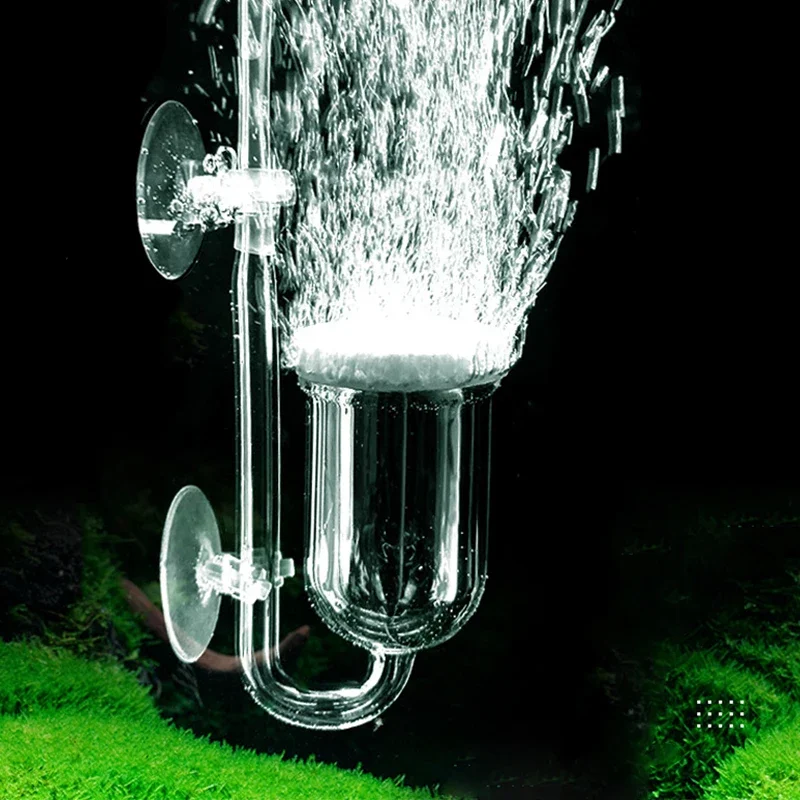
CO2 Diffuser & Atomizer Refiner with Suction Cup
Reference Price: ~$4.31 | User Feedback: 98% positive (1,455 ratings)
Target Aquarist: Planted tank owners seeking fine mist atomization to maximize CO2 dissolution efficiency in the water column.
Why It Matters: Large gas bubbles quickly float to the water surface and escape into the room without dissolving. An in-tank atomizer refiner forces pressurized gas through a dense porous membrane, creating a micro-bubble mist. These tiny bubbles stay suspended in the filter current longer, dramatically increasing the surface area for gas exchange. The included suction cup ensures stable placement low in the tank near filter outflows for optimal circulation across plant beds.
---
Aquarium CO2 Tube Pipe Oxygen Hose for Fish Tank Plant CO2 Generator Regulato…
Component Comparison Overview
| Component Name | Primary Role | Key Features | Target Use Case |
|---|---|---|---|
| ZRDR Integrated Regulator System | Pressure control & automation | Pressure reduction, integrated solenoid, bubble counter | Pressurized cylinder setups needing complete out-of-the-box control |
| ZRDR Standalone Solenoid Valve | Automated on/off switching | Low-temperature DC12V design, 110V–220V compatibility | Upgrading manual regulators or custom generator kits |
| CO2 Diffuser Atomizer | Gas dissolution | Porous ceramic/refiner disc, suction cup mount | In-tank micro-mist generation for live water grass and plants |
| PU 4*6mm Tubing (2m/5m) | Gas transmission | CO2-impermeable PU construction, 4*6mm sizing | Standard connections from regulator to diffuser |
| PU 4*6mm Generator Hose | High-pressure transmission | Rigid polyurethane line for reactors and kit sets | Airtight routing in high-pressure DIY or cylinder loops |
Key Buying Considerations for Planted Aquarium CO2
- Gas Impermeability: Never use clear silicone airline tubing for CO2 delivery. Always use dedicated 4*6mm polyurethane (PU) tubing to prevent gas loss through diffusion and ensure fittings hold under pressure.
- Solenoid Temperature: Standard industrial solenoids can generate substantial heat when energized for 8–10 hours daily. Choosing a low-temperature electronic valve ensures longer coil life and safer operation inside enclosed aquarium cabinets.
- Placement of Diffusers: Position your diffuser near the bottom of the aquarium directly opposite or beneath a filter outflow nozzle. The downward water current keeps micro-bubbles trapped in the water column longer, allowing maximum CO2 absorption before bubbles reach the surface.
- Gradual Tuning: When using needle valves and bubble counters, make micro-adjustments and wait at least 1–2 hours before adjusting again. Gas pressure takes time to stabilize throughout lines and diffusers.
Related Articles
We focus on decision quality, not catalog volume.
Product Review
Guide to Planted Aquarium LED Lighting: Spectrum, Control, and Form Factor
Lighting is the primary driver of photosynthesis in a planted aquarium. Without sufficient intensity and the right spectral output, aquatic plants struggle to d…
Product Review
Guide to Choosing the Best Aquarium CO2 Diffuser
Injecting carbon dioxide is one of the most effective ways to boost aquatic plant health, accelerate growth, and prevent nuisance algae in a planted aquarium. H…
Product Review
Setting Up an Aquascaping CO2 Injection System: Essential Hardware and Component Guide
Pressurized carbon dioxide injection is the single most impactful upgrade for a planted aquarium. While aquatic plants can survive in low-tech setups, achieving…
Featured Products on AliExpress

ZRDR Aquarium Co2 Solenoid Valve Regulator 110V-220V Low Temperature Co2 Aqua…

Aquarium CO2 Tube Pipe Oxygen Hose for Fish Tank Plant CO2 Generator Regulato…
CO2 Diffuser for Aquarium Bubble Reactor CO2 System Atomizer for Fish Tank Li…